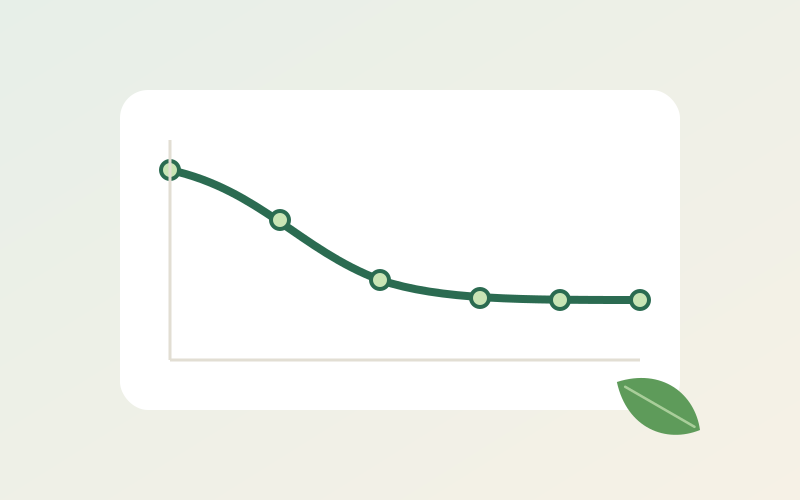
First, is it really a plateau?
Your weight naturally goes up and down from day to day, sometimes by several pounds. Salt, carbohydrates, hormones, hydration, digestion and a hard workout can all cause temporary water retention that hides fat loss.
Before deciding you've plateaued, look at your weekly average weight over at least 3 to 4 weeks, and check other measures such as your waist size and how your clothes fit.
Why weight loss slows down
You need less energy at a lower weight
A smaller body uses fewer calories at rest and during activity. The calorie level that led to weight loss at the start may simply be closer to maintenance now. Our calorie calculator can give you an updated estimate.
Your body adapts
When you eat less for a while, your body may become a bit more efficient and you may move less without noticing, such as fidgeting less or sitting more. This is a normal response, not a sign that something is wrong.
Habits drift over time
It's common for portions to creep up, snacks to sneak back in, or workouts to become less frequent. This happens to everyone, and noticing it is the first step.
What you can do
- Revisit the basics for a week or two. Measure portions of calorie-dense foods, like oils, nuts, cheese and grains, and notice drinks and weekend eating.
- Prioritize protein and vegetables. They help you stay full. See How Protein Supports Healthy Weight Loss.
- Add movement gradually. A daily walk or a few thousand extra steps can make a difference over time.
- Keep up strength training to help maintain muscle. Our fat loss guide includes a beginner routine.
- Check your sleep and stress. Both influence appetite and energy. Read how sleep affects weight.
Avoid drastic cuts
Dramatically cutting calories or overexercising to break a plateau often backfires, leading to fatigue, intense hunger and muscle loss. Small, sustainable adjustments are usually more effective.
Consider a maintenance break
Sometimes the healthiest move is to focus on maintaining your new weight for a while. Practicing maintenance builds the skills you'll need long term, and many people find it easier to restart weight loss afterward.
Celebrate non-scale victories
Better energy, improved sleep, lower blood pressure, more strength, and clothes that fit differently are all real progress, even when the scale is stubborn.
When to talk with a professional
If you've stalled for several months despite consistent habits, or you notice symptoms such as unusual fatigue, talk with your doctor. Some medical conditions and medications can affect weight, and a healthcare professional or registered dietitian can help you review your options.
Medical note
This article is general education, not medical advice. Talk with your doctor or a registered dietitian about your individual needs. See our medical disclaimer.